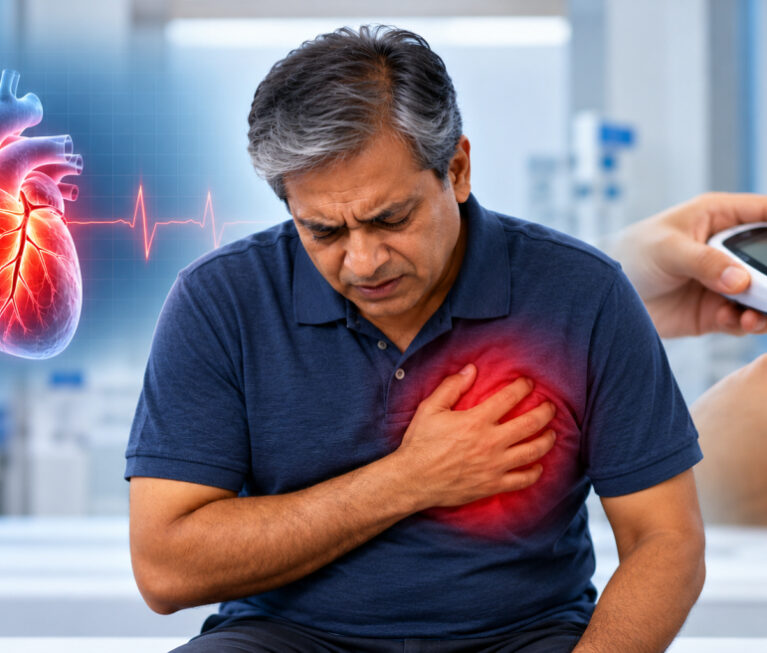
Sudden cardiac arrest and heart attack are often confused because both involve the heart and can become life-threatening. Despite this similarity, they are two different medical emergencies. A heart attack occurs when blood flow to part of the heart muscle is blocked, whereas sudden cardiac arrest happens when an electrical problem causes the heart to stop pumping blood effectively.
Understanding how these conditions differ can help people recognise warning signs and respond appropriately during an emergency. Although both require immediate medical attention, the symptoms and treatment approaches are different.
What Is a Heart Attack?
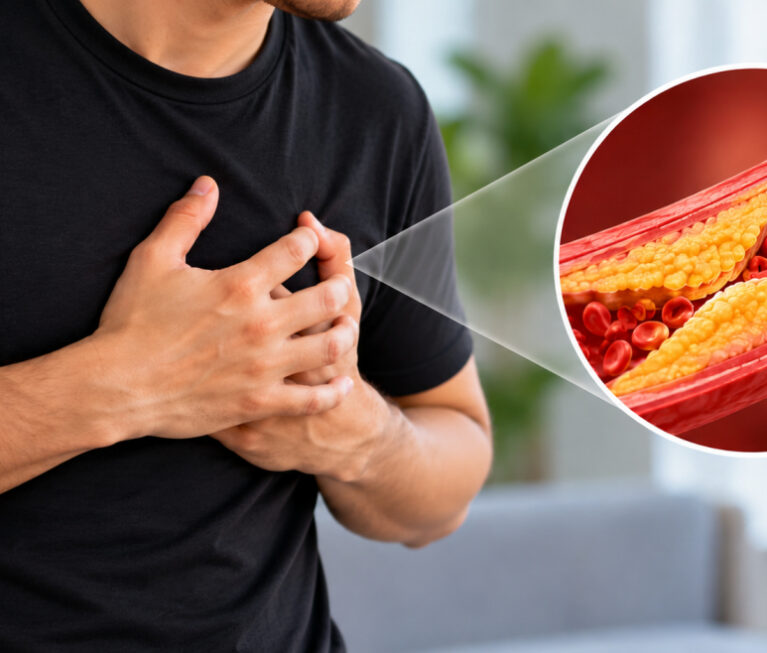
A heart attack, medically known as a myocardial infarction, occurs when blood flow through one of the coronary arteries becomes blocked or severely restricted. These arteries carry oxygen-rich blood to the heart muscle.
Over time, cholesterol and other substances can collect along the inner lining of the coronary arteries, making them narrower. If this buildup breaks open, a clot may develop and interrupt blood circulation. The heart tissue supplied by that artery then receives less oxygen, which can lead to muscle damage.
The heart usually continues beating during a heart attack, but the restricted blood supply prevents part of the heart muscle from functioning normally. Prompt medical treatment is necessary to restore circulation and limit further damage.
Common Symptoms of a Heart Attack
Heart attack symptoms can vary depending on the individual. While some people experience intense chest pain, others may develop milder symptoms that are easy to mistake for indigestion, fatigue or other health problems.
Common warning signs include:
- Chest discomfort: Pressure, tightness, squeezing or pain in the centre of the chest. The discomfort may last several minutes or come and go.
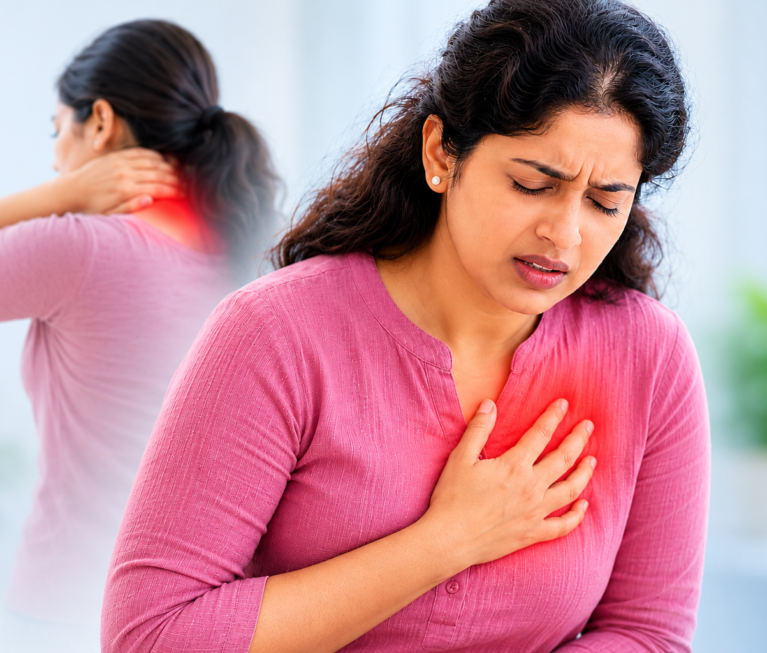
- Pain spreading to other areas: Discomfort may extend to the arms, shoulders, back, neck or jaw.
- Shortness of breath: A person may feel breathless or struggle to get enough air, even when there is no chest pain.
- Cold sweating: Sudden sweating without physical exertion or an obvious reason.
- Nausea or vomiting: Some people experience stomach discomfort, nausea or vomiting.
- Dizziness and unusual tiredness: Light-headedness, weakness or unexplained fatigue may also occur.
Women, older adults and people with diabetes may experience less typical symptoms. A heart attack can sometimes occur without the classic chest pain, making it important to pay attention to unusual or unexplained changes in the body.
What Is Sudden Cardiac Arrest?
Sudden cardiac arrest occurs when the heart’s electrical system malfunctions, causing an abnormal rhythm that prevents it from pumping blood effectively.
One common cause is ventricular fibrillation, an abnormal heart rhythm in which the lower chambers quiver rapidly instead of pumping blood normally. This prevents the heart from delivering enough blood to the brain and other essential organs.
Unlike a heart attack, sudden cardiac arrest usually causes an immediate loss of consciousness. The person may collapse without warning, become unresponsive and stop breathing normally. Without immediate treatment, cardiac arrest can cause death within minutes.
Warning Signs of Sudden Cardiac Arrest
Sudden cardiac arrest often occurs unexpectedly. Some individuals may experience symptoms shortly before the event, while others collapse without noticing any warning signs.
Possible signs include:
- Sudden collapse or loss of consciousness.
- No response when someone speaks to or gently shakes the person.
- Absence of normal breathing or unusual gasping.
- Sudden loss of normal movement.
A person experiencing cardiac arrest needs immediate emergency assistance. It is not a condition that can be managed by waiting for the symptoms to pass.
How Are Heart Attack and Sudden Cardiac Arrest Connected?
Although heart attack and cardiac arrest are different conditions, one can sometimes lead to the other.
During a heart attack, reduced oxygen supply can damage the heart muscle and interfere with its electrical activity. This may trigger a dangerous abnormal rhythm, such as ventricular fibrillation, resulting in sudden cardiac arrest.
People with coronary artery disease, previous heart attacks, heart failure or certain heart rhythm disorders may have an increased risk of cardiac arrest. Some inherited heart conditions and structural abnormalities can also contribute to the problem.
Not every heart attack causes cardiac arrest. In many cases, the heart continues beating while the affected muscle receives insufficient blood. Nevertheless, a suspected heart attack always requires urgent medical assessment because serious complications can develop.
What Should You Do During a Heart Attack?
A suspected heart attack should always be treated as a medical emergency. Getting medical help quickly can improve the chances of limiting heart muscle damage.
If someone develops symptoms that may indicate a heart attack:
- Call emergency services: Seek immediate medical assistance. In India, you can call 112 for emergency help.
- Help the person rest: Ask them to sit comfortably and avoid unnecessary physical activity.
- Arrange emergency transport: Do not allow the person to drive themselves to the hospital.
- Follow medical instructions: Avoid giving medication unless advised by a qualified healthcare professional or emergency dispatcher.
- Watch for changes: If the person becomes unresponsive and stops breathing normally, cardiac arrest may have occurred. Begin CPR and follow emergency guidance.
Do not wait for chest discomfort or other symptoms to disappear on their own.
How to Respond to Sudden Cardiac Arrest
Cardiac arrest prevents the heart from pumping enough blood to the rest of the body. This leaves the brain and other essential organs without the oxygen they need, so emergency treatment must begin immediately.
If someone collapses, does not respond and shows no normal breathing, take the following steps:
- Call for emergency help: Contact emergency services immediately or ask someone nearby to make the call.
- Start CPR: Begin chest compressions in the centre of the chest. For an adult, aim for 100 to 120 compressions per minute, allowing the chest to return to its normal position between compressions.
- Use an AED if available: An automated external defibrillator checks the heart rhythm and delivers a shock when required. Follow the device’s voice instructions.
- Continue until help arrives: Keep performing CPR and follow the AED instructions until emergency professionals take over or the person shows signs of recovery.
If you are not trained in rescue breathing, hands-only CPR is better than taking no action. Emergency dispatchers can also guide bystanders through the process over the phone.
How Are These Conditions Diagnosed?
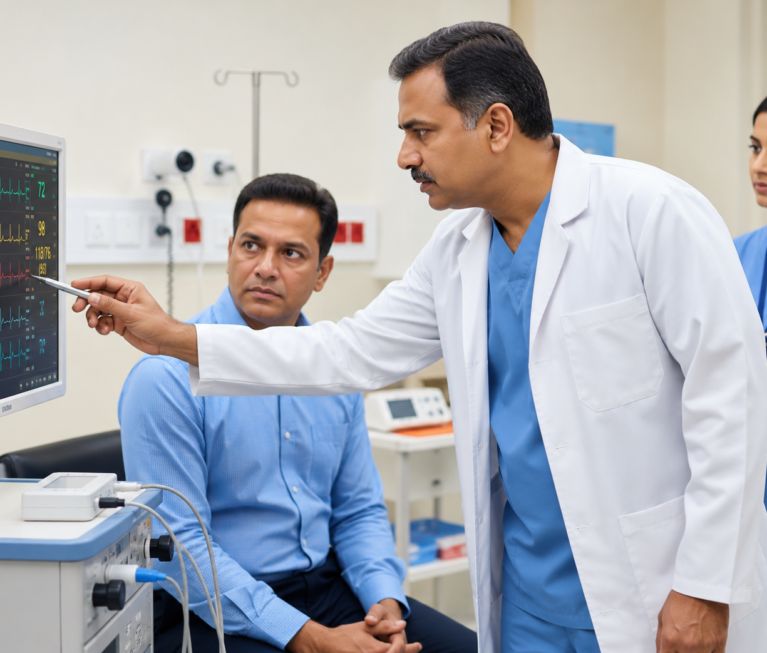
The diagnostic approach depends on the patient’s symptoms, medical history and immediate condition. Doctors use different investigations to identify the underlying problem and decide on appropriate treatment.
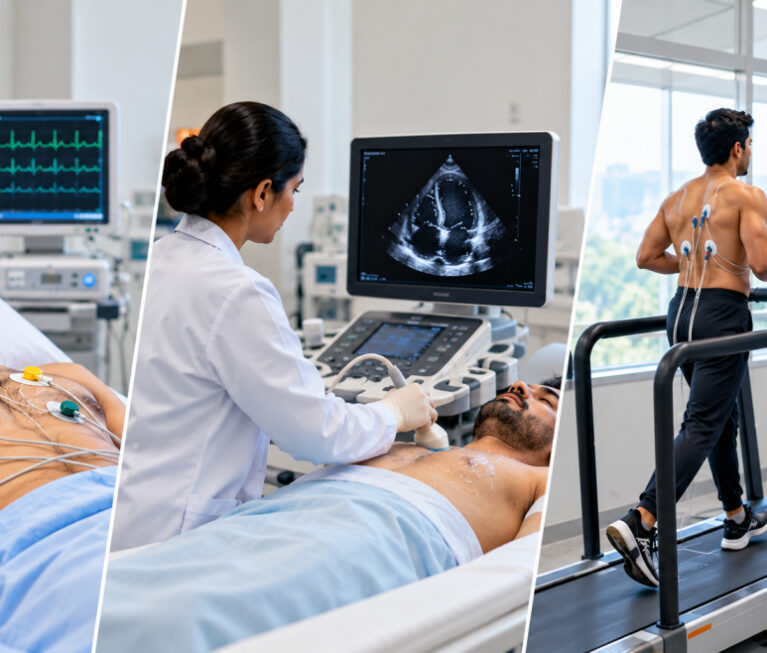
For a suspected heart attack, common investigations include:
Electrocardiogram (ECG): Records the electrical activity of the heart and helps identify changes associated with a heart attack.
Cardiac blood tests: Troponin testing helps detect damage to the heart muscle.
Echocardiogram: Uses ultrasound to assess the heart’s structure, movement and pumping function.
Coronary angiography: Helps identify narrowed or blocked coronary arteries and allows doctors to plan further treatment.
When a patient experiences cardiac arrest, the immediate priority is to restore circulation and stabilise their condition. Once the patient is stable, further tests may include ECG monitoring, echocardiography, blood investigations and coronary angiography, depending on the suspected cause.
Identifying the reason behind the event helps doctors plan treatment and assess the risk of future complications.
Ways to Reduce the Risk of Heart-Related Emergencies
Not every case of sudden cardiac arrest can be prevented, particularly when it is associated with inherited or previously undiagnosed heart conditions. Still, managing cardiovascular risk factors can help reduce the likelihood of several heart-related problems.
Some important preventive measures include:
- Monitor blood pressure, blood sugar and cholesterol levels regularly.
- Avoid smoking and tobacco products.
- Include vegetables, fruits, whole grains and suitable protein sources in your daily diet.
- Maintain regular physical activity according to your health condition.
- Work towards a healthy body weight.
- Take prescribed medicines as directed by your doctor.
- Attend regular medical check-ups if you have a family history of heart disease.
- Seek medical advice for recurring chest discomfort, unexplained breathlessness, fainting or palpitations.
People with existing cardiovascular conditions should follow their cardiologist’s recommendations regarding medication, physical activity and follow-up assessments.
Cardiac Care at NIMS Medicity
Recognising the difference between a heart attack and sudden cardiac arrest is important, as both conditions require immediate medical attention. Timely diagnosis, emergency intervention and appropriate cardiac treatment can make a significant difference in managing these emergencies.
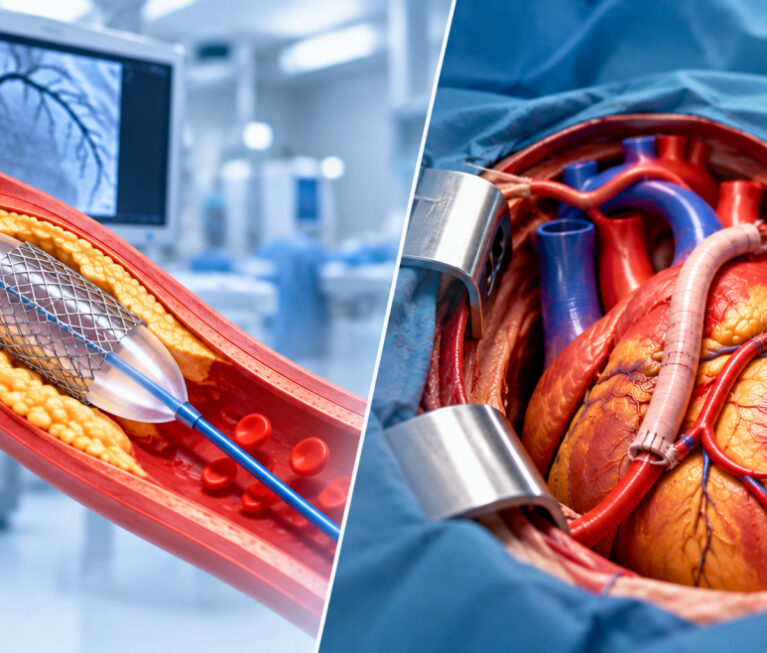
At NIMS Medicity, Thiruvananthapuram, the NIMS Heart Foundation provides specialised cardiac care, supported by experienced cardiologists and advanced diagnostic and interventional facilities. The department offers cardiac investigations, coronary angiography, angioplasty and other treatment options for various heart conditions. It also provides 24/7 primary angioplasty services for eligible patients experiencing acute heart attacks.
For those seeking specialised heart care in Trivandrum, NIMS Medicity provides facilities for cardiac evaluation, treatment and ongoing medical support.
Learn more about cardiac care and available treatments at NIMS Medicity and explore its Cardiology Department.
 post by