A heart attack is often associated with sudden chest pain, but the warning signs can vary from person to person. In women, symptoms may include chest discomfort along with unusual tiredness, nausea, shortness of breath, back pain or dizziness. Some of these signs can resemble common health problems, making them harder to recognise.
Although women and men share many heart attack symptoms, differences in how these symptoms appear are worth understanding. Knowing the warning signs can help women recognise a possible heart problem and seek medical attention without delay.
What Happens During a Heart Attack?
A heart attack, medically known as a myocardial infarction, occurs when blood flow to part of the heart muscle becomes severely reduced or blocked. The heart depends on a continuous supply of oxygen-rich blood to function properly. When this supply is interrupted, the affected heart muscle begins to sustain damage.
One common cause is coronary artery disease, which develops when fatty deposits build up inside the arteries supplying the heart. These deposits can narrow the arteries and restrict blood flow. If a deposit ruptures and a blood clot forms, the artery may become blocked, reducing the oxygen supply to the heart muscle.
A heart attack is a medical emergency. Without timely treatment, the damage to the heart muscle can become more extensive.
Why Can Heart Attack Symptoms Differ Between Women and Men?
Heart attacks can present differently in each person. While chest discomfort remains a frequent warning sign for both sexes, women may also experience symptoms such as nausea, breathlessness, unusual exhaustion, or pain affecting the neck, jaw and back.
The underlying causes of heart attacks can also vary. Some women develop coronary microvascular disease, which affects the smaller blood vessels supplying the heart. Other conditions, such as spontaneous coronary artery dissection (SCAD), can also lead to a heart attack. These conditions may not involve the typical blockage of a major coronary artery, making diagnosis more complex.
These differences can make a heart attack less recognisable. Symptoms such as persistent tiredness or upper back discomfort may not immediately suggest a heart problem, which can delay medical assessment.
Common Heart Attack Symptoms in Women
Heart attack symptoms do not always begin with severe chest pain. Women may experience several warning signs, either together or separately.
1. Chest Pain or Pressure
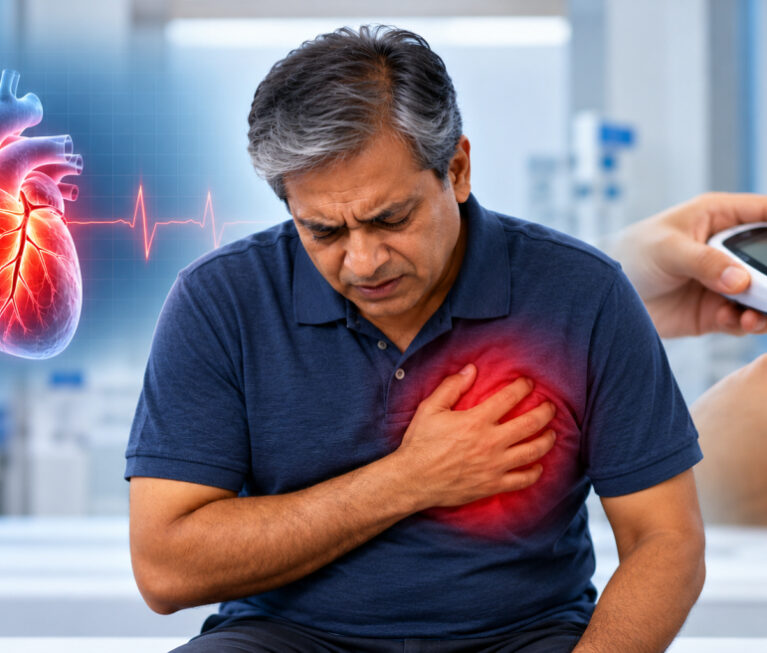
During a heart attack, women may experience an uncomfortable sensation in the chest, often described as a feeling of pressure, constriction, heaviness or fullness rather than sharp pain.
The discomfort may last for several minutes or disappear and return. Some women describe it as an uncomfortable weight or pressure rather than sharp pain.
Even when chest discomfort is mild, it should not be ignored if it is sudden, unusual or accompanied by other warning signs.
2. Pain in the Arms, Back, Neck or Jaw
Heart attack-related discomfort can extend beyond the chest. Some women experience pain or pressure in one or both arms, the upper back, neck, jaw or shoulders. It may occur alongside chest discomfort or as a less obvious warning sign.
Upper back discomfort can feel like a persistent ache or pressure between the shoulder blades. Jaw or neck pain may also be mistaken for dental problems or muscle strain.
Unexplained discomfort in these areas, particularly when combined with breathlessness, nausea or sweating, needs urgent medical attention.
3. Shortness of Breath
Difficulty breathing is another possible sign of a heart attack. A woman may feel breathless while walking, performing routine activities or even resting.
Shortness of breath can occur with chest discomfort or without it. Some women describe the feeling as being unable to take a full breath.
Sudden or unexplained breathing difficulty should never be dismissed, especially when it occurs alongside other possible heart attack symptoms.
4. Unusual Tiredness and Weakness
Unusual or unexplained fatigue can sometimes develop in the days before a heart attack or occur during the event itself. This is different from ordinary tiredness after physical activity or a busy day.
A woman may feel unusually exhausted while performing simple tasks, experience a sudden drop in energy or struggle to complete her usual routine.
Fatigue alone does not confirm a heart attack. But sudden, unexplained exhaustion accompanied by chest discomfort, breathlessness or other warning signs requires medical assessment.
5. Nausea, Vomiting or Indigestion
Some women experience nausea, vomiting or discomfort in the upper abdomen during a heart attack. These symptoms may feel similar to acidity, heartburn or ordinary indigestion.
Because of this similarity, the symptoms may be mistaken for a digestive problem. The presence of cold sweating, breathlessness, chest pressure or unusual weakness can indicate a more serious cause.
Sudden digestive discomfort accompanied by other possible heart attack signs should not be treated as simple indigestion without medical assessment.
6. Dizziness or Lightheadedness
Dizziness, lightheadedness or a feeling of faintness can also occur during a heart attack. These symptoms may develop when the heart is unable to maintain adequate blood circulation.
Although dizziness can have several causes, sudden lightheadedness accompanied by chest discomfort, breathlessness or cold sweating should be treated as a warning sign.
7. Cold Sweating
Unexplained cold sweating is another possible heart attack symptom. It may occur alongside nausea, chest discomfort or shortness of breath.
Sudden sweating without physical effort or exposure to heat may be a warning sign of a heart attack, especially when it occurs alongside chest discomfort, nausea or breathing difficulty.
Why Heart Attack Symptoms in Women Are Sometimes Overlooked
Some heart attack symptoms in women resemble common health complaints. Nausea and upper abdominal discomfort may be mistaken for indigestion. Unusual tiredness may be attributed to poor sleep or daily responsibilities, while back and shoulder pain may be considered a muscular problem.
Another reason is the belief that heart attacks mainly affect men or older adults. This misconception can make women less likely to recognise their own risk or take early warning signs seriously.
Heart disease can affect women at different stages of life. Being young or having no previous history of heart problems does not completely rule out the possibility of a heart attack.
Recognising unusual symptoms and seeking medical advice promptly can help reduce delays in diagnosis and treatment.
Risk Factors for Heart Attack in Women
Several health conditions and lifestyle factors can increase a woman’s risk of developing heart disease and experiencing a heart attack.
- High blood pressure: Persistently elevated blood pressure can damage artery walls and increase the strain on the heart.
- High cholesterol: Excess LDL cholesterol can contribute to fatty deposits inside the coronary arteries.
- Diabetes: High blood sugar can damage blood vessels and increase the risk of cardiovascular disease.
- Smoking: Tobacco use harms blood vessels and increases the likelihood of coronary artery problems.
- Obesity: Excess body weight can contribute to high blood pressure, diabetes and abnormal cholesterol levels.
- Physical inactivity: Limited physical activity can affect cardiovascular health and contribute to other risk factors.
- Family history: Having close family members with early heart disease may increase personal risk.
Certain conditions related to pregnancy and hormonal changes can also influence a woman’s cardiovascular health. A history of pre-eclampsia or gestational diabetes, for example, is associated with a higher risk of future heart disease. Menopause-related changes may also affect cardiovascular risk.
Having one or more risk factors does not mean a heart attack will definitely occur. Regular health assessments can help identify potential problems and guide preventive care.
What Should You Do If You Notice Heart Attack Symptoms?
A suspected heart attack requires immediate medical attention. Do not wait for the symptoms to become severe or disappear on their own.
If you or someone nearby experiences possible heart attack symptoms:
- Call emergency services immediately. In India, dial 112 or contact the local ambulance service.
- Stop physical activity. Sit down and remain as comfortable as possible while waiting for help.
- Avoid driving yourself to the hospital. An ambulance team can provide emergency assistance during transport.
- Follow emergency medical instructions. Do not take medication on your own while waiting for help. Follow the advice provided by emergency services or a qualified medical professional.
- Do not dismiss symptoms that come and go. Temporary relief does not necessarily mean the danger has passed.
Quick medical assessment allows doctors to identify a possible heart attack and begin appropriate treatment. Delays can increase damage to the heart muscle.
How Is a Heart Attack Diagnosed in Women?
Doctors use a combination of symptoms, medical history, physical examination and diagnostic tests to determine whether a heart attack has occurred.
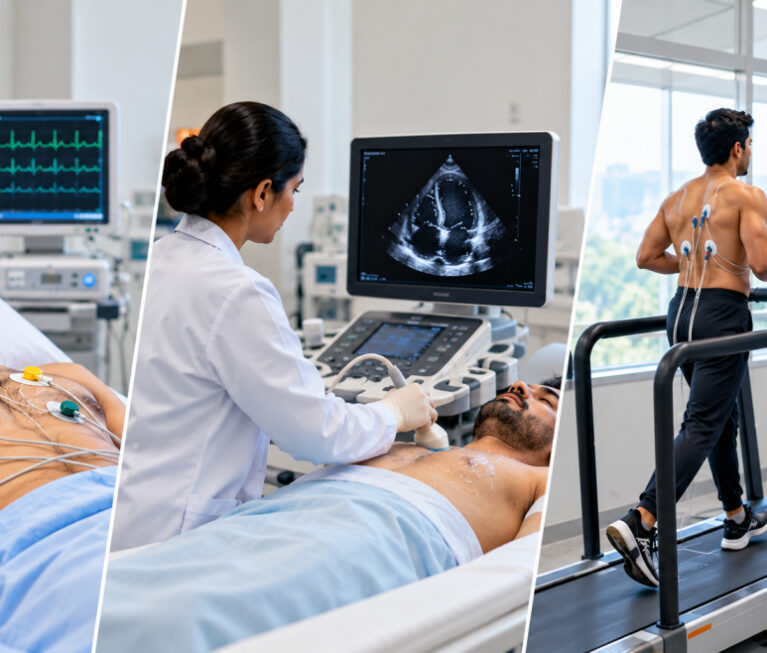
Electrocardiogram (ECG): An ECG records the electrical activity of the heart. It helps doctors identify changes that may indicate a heart attack.
Troponin blood test: Troponin is a protein released into the bloodstream when heart muscle cells are damaged. Measuring its levels helps doctors assess possible injury to the heart. Repeat testing may be necessary depending on when symptoms began and the initial results.
Echocardiogram: This ultrasound examination produces images of the heart and shows how effectively it pumps blood. It can help identify areas of the heart that are not contracting normally.
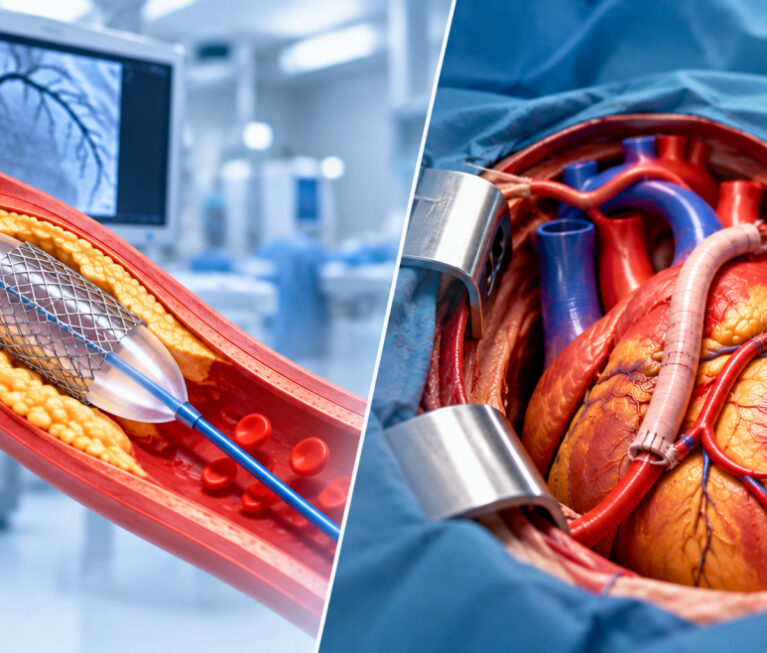
Coronary angiography: This procedure uses contrast dye and X-ray imaging to examine the coronary arteries and identify narrowed or blocked sections.
The tests recommended depend on the patient’s symptoms, examination findings and overall condition. A normal initial test does not always rule out a heart attack, so further monitoring or investigations may be required.
Can Heart Attacks Be Prevented?
Not every heart attack can be prevented, but managing cardiovascular risk factors can help lower the chances of developing serious heart problems.
Some practical steps include:
- Monitor blood pressure, cholesterol and blood sugar levels regularly.
- Avoid smoking and exposure to tobacco.
- Include vegetables, fruits, whole grains and other nutritious foods in your daily diet.
- Maintain a healthy weight through suitable eating habits and regular physical activity.
- Follow an exercise routine that matches your health and fitness level.
- Attend routine medical check-ups, particularly if you have diabetes, high blood pressure or a family history of heart disease.
- Follow your doctor’s advice and prescribed treatment for existing health conditions.
Women who have experienced pregnancy-related complications such as pre-eclampsia or gestational diabetes should also discuss their long-term heart health with a doctor.
Cardiac Care at NIMS Medicity
NIMS Medicity in Thiruvananthapuram offers specialised cardiac care, including coronary angioplasty, stent placement and 24/7 primary angioplasty for eligible heart attack patients. Its facilities include a dedicated CCU, cardiac catheterisation laboratory and advanced diagnostic technologies such as FFR, IVUS and OCT.
For heart-related concerns, consult a cardiologist. If a heart attack is suspected, seek emergency medical attention immediately.
 post by