
A heart attack does not always begin with sudden, severe chest pain. For some people, the signs are so mild that they may mistake them for tiredness, indigestion or the effects of a busy day. This can be particularly concerning for people living with diabetes, who have a greater likelihood of developing cardiovascular complications.
Diabetes affects more than blood glucose levels. Over time, it can influence the condition of blood vessels and the nerves responsible for carrying signals throughout the body. These changes may increase the risk of heart disease and, in some individuals, make the usual warning signs of a heart attack less noticeable.
Understanding the connection between diabetes and silent heart attacks is important for recognising unusual symptoms and knowing when to seek medical attention. This guide explains the possible warning signs, how doctors investigate suspected heart damage and what people with diabetes can do to protect their cardiovascular health.
What Makes a Heart Attack Silent?
A heart attack happens when the heart muscle receives insufficient blood because circulation through a coronary artery becomes severely restricted or blocked. Without an adequate supply of oxygen, the affected part of the heart muscle can become injured.
A silent heart attack is one in which the usual warning signs are absent, mild or not recognised as a heart-related problem. Someone might experience unusual exhaustion, mild breathing difficulties or discomfort in the upper body without realising that the heart is in danger. In other cases, the event may only come to light during a later medical examination.
A heart attack can damage the heart muscle even when the person experiences little pain. Undetected damage may affect the heart’s function and contribute to future complications.
Not every person with diabetes will experience a silent heart attack, and the absence of chest pain does not establish that one has occurred. Medical assessment is necessary to determine the cause of concerning symptoms.
Why Does Diabetes Increase the Risk?
Diabetes can contribute to heart problems through several interconnected processes. Understanding these changes helps explain why cardiovascular prevention is an important part of diabetes management.
1. Changes in the Coronary Arteries
When blood glucose remains elevated over long periods, blood vessels can sustain damage. This can encourage the development of atherosclerosis, in which fatty deposits build up along artery walls.
If these deposits affect the coronary arteries, the amount of blood reaching the heart muscle may decrease. A plaque can also rupture and trigger the formation of a blood clot, potentially causing a heart attack.
2. Nerve Damage Can Alter Pain Signals
Long-standing diabetes can damage nerves, a complication known as diabetic neuropathy. When the nerves involved in pain signalling or the autonomic nervous system are affected, some people may not experience the expected level of discomfort during a cardiovascular event.
This is one reason a heart attack may go unrecognised in certain individuals with diabetes. However, nerve damage does not occur in everyone with diabetes, and many people still experience typical heart attack symptoms.
3. Other Factors That May Increase Heart Disease Risk
Diabetes can occur alongside other heart-related risk factors, such as high blood pressure and abnormal cholesterol readings, which may gradually affect the health of the heart and blood vessels. Smoking, limited physical activity and a family history of early heart disease can further influence risk.
The combined effect of several risk factors can be more important than any single factor. Managing diabetes therefore involves looking beyond glucose readings and considering overall cardiovascular health.
Unusual Symptoms of a Silent Heart Attack
The symptoms of a silent heart attack vary between individuals. Some people notice only a small change in how they feel, while others experience several symptoms together. The following signs deserve attention, particularly when they are new, unexplained or appear suddenly.
Unusual Exhaustion
A person may feel drained despite sleeping adequately or find that familiar activities require considerably more effort. For example, walking around the house or completing routine tasks may suddenly feel unusually tiring.
Fatigue has many possible causes, including anaemia, poor sleep, infections and fluctuations in blood glucose. However, sudden or unexplained exhaustion, particularly when accompanied by other symptoms, should not be dismissed.
Breathing Difficulties
A noticeable change in breathing can sometimes signal a heart problem. Someone may become breathless during an activity they previously managed comfortably, or experience difficulty breathing while resting.
Severe or sudden breathlessness is an emergency, particularly when accompanied by sweating, weakness or discomfort elsewhere in the body.
Indigestion-Like Discomfort
Some heart attacks cause discomfort in the upper abdomen rather than obvious chest pain. Nausea, vomiting, a feeling of fullness or an unusual burning sensation may be mistaken for a digestive complaint.
These symptoms do not automatically indicate a heart attack. However, if they appear suddenly or occur alongside breathlessness, cold sweating or unusual weakness, urgent medical evaluation is important.
Pain Outside the Chest
Heart-related discomfort may affect the shoulders, arms, neck, jaw or back. The sensation can vary from pressure to aching or tightness, and it may occur without prominent chest pain.
People should pay attention to unfamiliar discomfort in these areas, especially when it develops together with other possible heart attack symptoms.
Cold Sweating, Dizziness or Faintness
Unexpected cold sweating or a feeling of becoming faint can occur during a serious cardiovascular event. Some people may also experience sudden weakness or a sense that they are about to lose consciousness.
These symptoms have several possible explanations, but they require particular attention when they appear with breathing difficulties, nausea or upper-body discomfort.
Important: Do not wait for all these symptoms to appear, and do not assume that the absence of chest pain rules out a heart attack.
How Can Doctors Identify a Silent Heart Attack?
Because a silent heart attack may not be recognised when it happens, some cases are discovered during an investigation for another health concern or following an assessment of cardiovascular risk.
The doctor will consider the person’s symptoms, medical history, diabetes control and other risk factors before deciding which investigations are appropriate.
Electrocardiogram (ECG): This test records the electrical activity of the heart. It may reveal changes associated with a current or previous heart attack, although a normal ECG does not exclude every case.
Cardiac blood tests: Tests measuring troponin can help identify injury to the heart muscle when an acute heart attack is suspected. Additional blood tests may assess glucose, cholesterol and other relevant factors.
Echocardiogram: This ultrasound examination shows how the heart is structured and how effectively it pumps blood. It can sometimes reveal areas that are not moving normally because of previous damage.
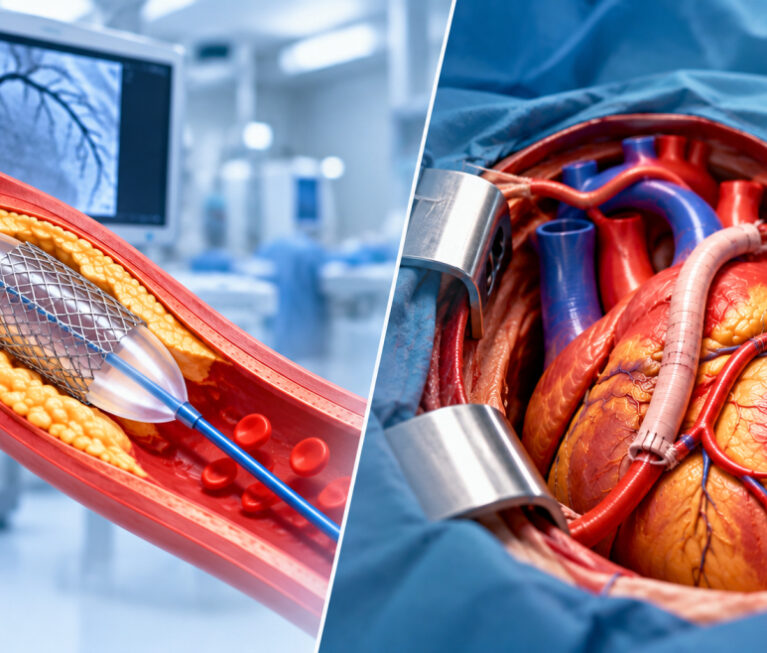
Coronary imaging: When indicated, doctors may recommend coronary angiography or other imaging to investigate narrowed arteries and assess the need for further treatment.
The choice of tests depends on the clinical findings. Routine advanced cardiac testing is not necessary for every person with diabetes who has no symptoms. A healthcare professional should determine whether screening or further investigation is appropriate for the individual.
Steps People with Diabetes Can Take to Protect Their Heart
Although diabetes increases cardiovascular risk, there are practical ways to address several contributing factors. The right approach depends on a person’s medical history and should be discussed with their healthcare team.
Keep blood glucose under control. Follow the treatment plan recommended by your doctor and attend scheduled reviews. HbA1c testing can help assess average blood glucose levels over time.
Pay attention to blood pressure and cholesterol. Both can contribute to damage within the arteries. Regular checks and appropriate treatment can help reduce cardiovascular risk.
Build balanced eating habits. Include vegetables, fruits, whole grains, pulses and suitable sources of protein. Limit excessive salt and foods high in saturated fats, and seek individual dietary guidance when necessary.
Make physical activity part of your routine. Suitable regular exercise can support glucose management and heart health. Ask your doctor what level of activity is appropriate if you have existing cardiovascular problems or other medical limitations.
Avoid smoking and tobacco products. Tobacco exposure damages blood vessels and increases the risk of heart disease. Professional support can help people who want to stop smoking.
Follow prescribed treatment. Take diabetes and cardiovascular medicines as directed. Do not stop or adjust medication without consulting your doctor, even when you feel well.
These measures can help reduce risk, but they cannot eliminate the possibility of a heart attack. Recognising symptoms and responding promptly remain essential.
When Should You Seek Medical Help?
People with diabetes should seek medical advice when they notice an unexplained change in their usual health, especially if it involves reduced exercise tolerance, recurring breathlessness or unusual upper-body discomfort.
If symptoms suggest a possible heart attack, call emergency services immediately. Do not wait for chest pain to appear, and do not drive yourself to the hospital. In India, the emergency number is 112.
Even if symptoms improve, suspected heart attack symptoms require urgent assessment. Prompt treatment can reduce damage to the heart muscle and help doctors identify the cause.
Prioritising Diabetes and Heart Health at NIMS Medicity
Managing diabetes involves more than monitoring blood glucose. Paying attention to blood pressure, cholesterol, unusual symptoms and other cardiovascular risk factors can help people make informed decisions about their health. Recognising possible warning signs early is particularly important because a heart attack does not always cause obvious chest pain.
At NIMS Medicity, patients can seek assessment and treatment recommendations for cardiovascular concerns through the cardiology team. The hospital provides cardiac evaluation and care as an advanced cardiac treatment facility in Trivandrum, with investigations and treatment plans guided by individual medical needs.
 post by