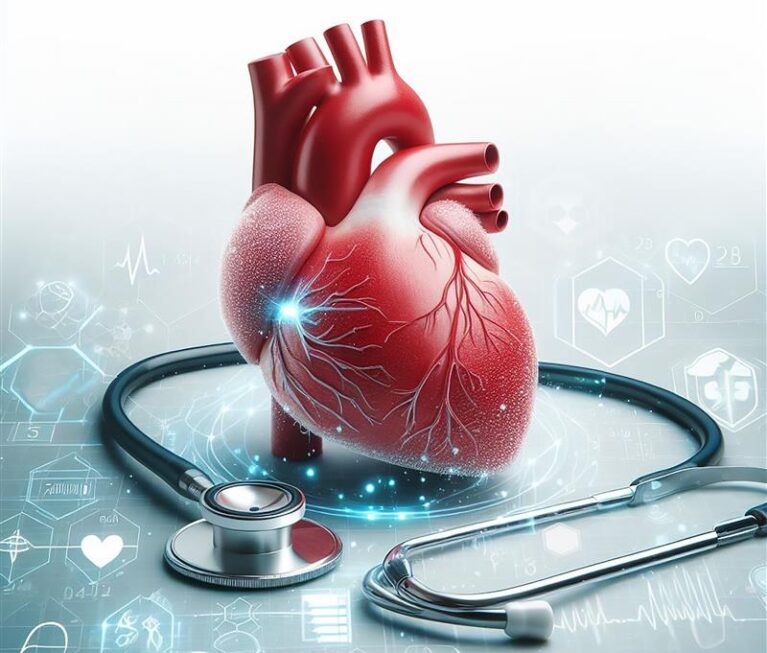

Heart conditions can develop at any age, and the first signs may be subtle or difficult to identify. Some people experience chest discomfort or breathlessness during everyday activities, while others notice unusual tiredness, dizziness or an irregular heartbeat. In certain cases, heart disease may develop without obvious symptoms until a serious complication occurs.
Recognising changes in your body and seeking medical advice at the right time can help identify potential heart problems before they become more serious. Although not every symptom indicates a heart condition, persistent or unexplained changes should not be dismissed, particularly when you have risk factors such as high blood pressure, diabetes or a family history of heart disease.
Knowing the early symptoms of heart disease can help you recognise potential problems and understand when to seek medical care.
What Is Heart Disease?
Heart disease includes various conditions that affect how the heart works or its physical structure. These include coronary artery disease, heart rhythm disorders, heart valve problems and heart failure.
Coronary artery disease develops when fatty deposits accumulate inside the arteries supplying blood to the heart. As these arteries become narrower, the heart muscle may receive less oxygen-rich blood. This can cause chest discomfort and, in serious cases, lead to a heart attack.
Other heart conditions affect how the heart beats, how its valves function or how effectively it pumps blood throughout the body. Each condition can produce different symptoms, and some warning signs may overlap.
Recognising these symptoms early and getting an appropriate medical assessment can help doctors identify the underlying problem and recommend suitable treatment.
7 Early Warning Signs of Heart Disease
1. Chest Pain, Pressure or Discomfort
Chest discomfort can be an early sign of a heart problem. It may feel like pressure, tightness, squeezing, heaviness or a burning sensation in the middle of the chest.
Some people notice discomfort during physical activity, climbing stairs or experiencing emotional stress. The sensation may improve with rest, depending on the underlying condition. Chest discomfort can also occur without an obvious trigger.
Not every episode of chest pain is caused by heart disease, but it should not automatically be attributed to acidity, muscle strain or stress.
Seek emergency medical attention if you experience new or persistent chest pressure, particularly when accompanied by sweating, nausea, breathlessness or pain spreading to other parts of the body. A heart attack may cause mild or occasional symptoms, so don’t ignore warning signs just because the pain isn’t severe.
2. Shortness of Breath During Everyday Activities
Breathlessness during intense physical activity can be normal. However, difficulty breathing during routine activities may indicate an underlying medical problem.
You might notice that walking a short distance, climbing a few steps or performing household tasks leaves you more breathless than usual. Some people also experience breathing difficulties when lying flat or wake up at night feeling short of breath.
These symptoms can occur when the heart struggles to pump blood effectively or when fluid accumulates in or around the lungs. Respiratory conditions and other health problems can cause similar symptoms, so a proper assessment is necessary.
Seek medical attention if you experience unexplained breathlessness, particularly if it persists or occurs alongside chest discomfort, dizziness or unusual tiredness. Sudden or severe breathing difficulty requires emergency medical attention.
3. Unusual Fatigue and Weakness
Persistent tiredness can have many causes, including poor sleep, anaemia, infections and hormonal conditions. In some cases, however, unusual fatigue may be associated with a heart problem.
You may feel unusually tired even after doing simple daily tasks. Everyday tasks such as walking, shopping or climbing stairs might require more effort than before. The tiredness may continue even after adequate rest.
Fatigue can occur when the heart is unable to meet the body’s demands efficiently. It may also accompany other symptoms, including breathlessness, swelling or reduced exercise tolerance.
Women experiencing a heart attack may report unusual tiredness or weakness alongside other symptoms. However, fatigue alone cannot establish whether a person has heart disease.
If you experience persistent, unexplained exhaustion or a noticeable decline in your ability to carry out routine activities, consult a healthcare professional to determine the cause.
4. Pain Spreading to the Arm, Back, Neck or Jaw
Heart pain can also occur in areas beyond the chest. During a heart attack, discomfort may spread to one or both arms, the shoulders, the back, the neck or the jaw. Some people also experience discomfort in the upper abdomen.
These symptoms can be confusing because they may resemble muscular pain, dental problems or digestive discomfort. Pain can differ in severity and location from person to person.
Pay attention when pain in these areas occurs alongside chest pressure, cold sweating, nausea, dizziness or shortness of breath. Such a combination may indicate a medical emergency.
Do not wait for every symptom to appear before seeking help. If you suspect a heart attack, contact emergency services immediately rather than attempting to diagnose the problem yourself.
5. An Irregular or Rapid Heartbeat
A heartbeat that suddenly becomes unusually fast, slow or irregular may indicate a heart rhythm disorder, also known as an arrhythmia.
Some people describe the sensation as fluttering, pounding or a feeling that the heart is skipping beats. These episodes may last for a few seconds or continue for longer periods.
Occasional palpitations can occur because of stress, caffeine, dehydration or certain medications. They can also be associated with conditions that require medical evaluation, including abnormal heart rhythms.
Repeated episodes, particularly those accompanied by weakness, dizziness, chest discomfort or reduced exercise tolerance, should be assessed by a doctor.
If palpitations occur alongside chest pain, fainting or severe breathlessness, seek emergency medical attention. An ECG and other tests may help determine the cause.
6. Dizziness or Fainting
Feeling light-headed occasionally can result from dehydration, low blood pressure or standing up too quickly. However, unexplained dizziness or fainting can sometimes be related to an abnormal heart rhythm or another cardiovascular problem.
When the heart cannot maintain adequate blood flow to the brain, a person may feel faint, experience sudden weakness or lose consciousness.
An episode of fainting during physical activity or alongside palpitations deserves particular attention. Repeated unexplained episodes should also be investigated, even if the person feels normal afterwards.
Seek emergency help if fainting occurs with chest pain, breathing difficulty or a rapid or irregular heartbeat. Do not assume that dizziness is harmless simply because it disappears after a short time.
7. Swelling in the Feet, Ankles or Legs
Swelling in the lower limbs can develop for several reasons, including prolonged sitting, certain medications, kidney conditions and problems with circulation.
In some people, swelling occurs when the heart cannot pump blood effectively enough to meet the body’s needs. Fluid may accumulate in the feet, ankles, legs or abdomen.
You might notice that your shoes feel tighter, your ankles appear swollen towards the end of the day or your body weight increases unexpectedly because of fluid retention.
Swelling associated with heart failure may occur alongside breathlessness, persistent fatigue or difficulty breathing when lying down. These symptoms require medical assessment rather than self-treatment.
New or worsening swelling should be discussed with a healthcare professional, particularly when several symptoms appear together. Sudden breathlessness or chest pain requires urgent attention.
Can Heart Disease Develop Without Noticeable Symptoms?
Yes. Some forms of heart disease can develop without clear warning signs. A person may have high blood pressure, elevated cholesterol or coronary artery disease without experiencing obvious discomfort.
High blood pressure can damage blood vessels over time, while cholesterol deposits may gradually narrow the arteries supplying the heart. These changes can progress without producing noticeable symptoms.
For some people, the first recognised sign of a heart problem may be a heart attack, heart failure or an abnormal heart rhythm. This is one reason why routine health assessments matter, especially for people with known risk factors.
A doctor may recommend checking blood pressure, blood sugar and cholesterol levels, along with other investigations based on your medical history and symptoms. The need for an ECG, echocardiogram or additional cardiac tests depends on the clinical assessment.
Regular check-ups can help identify certain risks before symptoms develop, although no single test can detect every heart condition.
Who Is at Greater Risk of Heart Disease?
Several medical conditions, lifestyle habits and family factors can increase the likelihood of developing heart disease.
Common risk factors include:
- High blood pressure: Persistently elevated blood pressure can damage blood vessels and increase the workload on the heart.
- High cholesterol: Excess cholesterol can contribute to plaque formation inside arteries.
- Diabetes: Elevated blood glucose can damage blood vessels and increase cardiovascular risk.
- Smoking: Tobacco use damages blood vessels and contributes to the development of heart disease.
- Physical inactivity: Limited regular exercise can contribute to several cardiovascular risk factors.
- Unhealthy eating habits: A diet high in salt, saturated fats and added sugars may contribute to poor cardiovascular health.
- Family history: Having close relatives with heart disease, particularly at a younger age, can increase your risk.
Age and certain existing medical conditions can also influence cardiovascular risk. Having one or more risk factors does not mean that you will necessarily develop heart disease, but it makes regular assessment and preventive care particularly important.
How Can You Protect Your Heart Health?
Although not every heart condition can be prevented, several measures can help reduce cardiovascular risk.
Choose a balanced diet that includes vegetables, fruits, whole grains, legumes and appropriate sources of protein. Limit excessive salt, highly processed foods and foods high in saturated fats.
Engage in regular physical activity according to your health and fitness level. Adults are generally advised to aim for at least 150 minutes of moderate-intensity aerobic activity per week, when medically appropriate.
Avoid smoking and exposure to tobacco smoke. If you consume alcohol, discuss sensible limits with your healthcare professional, particularly if you have an existing medical condition.
Monitor blood pressure, cholesterol and blood sugar when recommended. Take prescribed medication consistently and attend follow-up appointments.
Most importantly, do not use lifestyle changes as a substitute for medical assessment when warning signs appear. New chest discomfort, unexplained breathlessness or other concerning symptoms deserve prompt attention.
When Should You Consult a Cardiologist?
You should consider consulting a cardiologist if you experience recurring chest discomfort, unexplained breathlessness, persistent fatigue, frequent palpitations or swelling in your feet and ankles. People with diabetes, high blood pressure, high cholesterol or a family history of heart disease may also benefit from regular cardiovascular assessments.
A cardiologist will review your symptoms, medical history and risk factors before recommending appropriate investigations. Depending on your condition, these may include an ECG, echocardiogram, blood tests or other cardiac examinations.
If you experience chest pressure, sudden breathing difficulties, cold sweating or pain spreading to your arm or jaw, seek emergency medical attention immediately. Do not wait for a routine consultation if you suspect a heart attack.
At NIMS Medicity, patients can consult the cardiology team for the assessment and management of various heart conditions. The hospital provides advanced cardiac treatment in Trivandrum, with personalised investigations and treatment recommendations based on each patient’s medical needs.
Frequently Asked Questions About Heart Disease
1. Can heart disease occur without chest pain?
Yes. Some people may experience breathlessness, unusual fatigue or nausea instead of chest pain.
2. At what age should I start checking my heart health?
Heart health checks depend on your age, family history and individual risk factors. Ask your doctor when to begin.
3. Can stress affect heart health?
Yes. Long-term stress may contribute to high blood pressure and habits that increase cardiovascular risk.
4. Can high cholesterol cause symptoms?
High cholesterol usually causes no noticeable symptoms and is commonly identified through a blood test.
5. What tests may help detect heart disease?
Depending on your symptoms, a doctor may recommend an ECG, echocardiogram, blood tests or other investigations.
6. How often should I get my heart checked?
Your doctor can recommend a suitable check-up schedule based on your age, medical history and risk factors.
 post by