
Cholesterol plays an essential role in the human body, but an unhealthy balance of blood lipids can increase the risk of cardiovascular problems. Many people have elevated cholesterol without experiencing any obvious symptoms, which means the condition can remain unnoticed for years. Understanding how cholesterol affects the heart, what contributes to abnormal levels and how they can be managed is an important part of protecting long-term health.
High cholesterol levels can affect heart health even when you feel perfectly well. Its significance depends on the type of cholesterol present, the individual’s overall health and other factors that influence cardiovascular risk. With appropriate screening and medical guidance, people can take informed steps to manage their cholesterol levels.
What Is Cholesterol?
Cholesterol is a fatty substance that the body needs to build cell membranes and produce certain hormones. The liver manufactures much of the cholesterol required for these functions, while food can contribute additional amounts.
Because cholesterol does not dissolve freely in blood, it travels through the bloodstream in particles known as lipoproteins. A lipid profile measures different blood fats and helps doctors assess whether a person’s results may indicate an increased risk of cardiovascular disease.
Two commonly discussed forms are low-density lipoprotein (LDL) and high-density lipoprotein (HDL). Triglycerides, another type of blood fat, are also measured because their levels can provide additional information about metabolic and cardiovascular health.
How Can High Cholesterol Influence Heart Health?
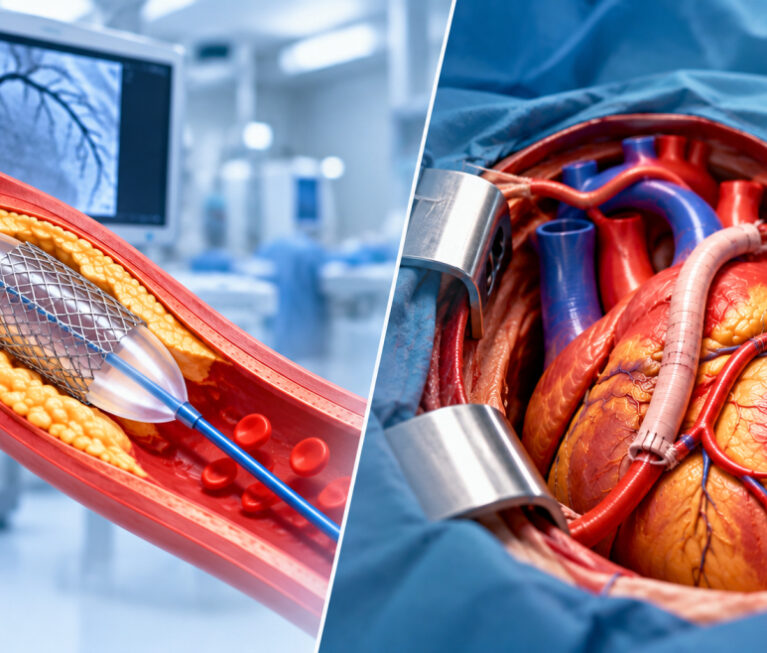
When LDL cholesterol remains elevated, cholesterol-containing particles can accumulate within artery walls. Over time, cholesterol can accumulate along artery walls, creating deposits that make it harder for blood to flow freely.
If these changes affect the coronary arteries, which supply oxygen-rich blood to the heart muscle, the arteries may become narrower. Reduced blood flow can cause chest discomfort, particularly during physical activity, when the heart requires more oxygen.
If a cholesterol deposit breaks open, a clot may develop at the affected site. When this clot blocks the blood supply to the heart muscle, it can lead to a heart attack.
This explains the connection between high cholesterol and heart disease. Elevated cholesterol does not guarantee that a person will develop a heart condition, but managing it can help reduce cardiovascular risk.
LDL and HDL Cholesterol: Why Do They Matter?
Understanding the different components of a lipid profile can help patients interpret their results more effectively.
Low-Density Lipoprotein (LDL)
LDL, commonly known as bad cholesterol, can build up along artery walls and form plaque over time. When LDL levels remain high, the risk of developing coronary artery disease increases.
The LDL level considered appropriate varies according to a person’s overall cardiovascular risk. People with established heart disease may need more intensive cholesterol management than those without a history of cardiovascular problems.
High-Density Lipoprotein (HDL)
HDL is commonly known as good cholesterol because it helps transport cholesterol towards the liver for processing. Even if HDL cholesterol is within a healthy range, high LDL levels and other factors that affect heart health can still increase the risk of cardiovascular disease.
Doctors interpret HDL alongside the rest of the lipid profile rather than considering it in isolation.
Triglycerides
The body converts excess calories into triglycerides, which are stored as fat and used for energy when needed. Elevated levels may occur alongside low HDL, increased LDL or conditions such as diabetes and metabolic syndrome. Their significance depends on the overall pattern of results and the patient’s medical history.
What Causes High Cholesterol?
Several factors can influence cholesterol levels. Some are related to lifestyle, while others involve genetics, medical conditions or medications.
Common contributing factors include:
- Dietary habits: Regularly consuming foods high in saturated fat and trans fat can contribute to elevated LDL cholesterol.
- Physical inactivity: Limited movement can negatively affect cardiovascular health and the overall lipid profile.
- Excess body weight: Being overweight may be associated with higher triglycerides and other unfavourable lipid changes.
- Inherited conditions: Some people inherit genetic variations that cause very high LDL cholesterol, even when they maintain healthy habits.
- Other health conditions: Diabetes, hypothyroidism and certain kidney disorders can affect cholesterol levels.
- Tobacco use: Smoking can lower HDL cholesterol and increase the risk of damage to blood vessels.
A person’s risk of developing heart disease may also depend on their age and inherited genetic factors. Since multiple factors may contribute to elevated cholesterol, an individual assessment is more useful than relying on a single general recommendation.
Does High Cholesterol Cause Symptoms?
People with high cholesterol often feel normal and may not experience any obvious signs of the condition. A person may feel healthy while LDL cholesterol remains elevated, and physical appearance alone cannot reliably indicate whether cholesterol levels are within a suitable range.
This makes blood testing particularly important. A doctor may recommend a lipid profile based on age, family history, existing health conditions and other risk factors.
Those with a family history of early heart problems or genetic conditions that affect cholesterol may need regular check-ups starting at a younger age. Follow-up testing can also help determine whether lifestyle changes or prescribed medication are having the intended effect.
How Can You Manage High Cholesterol?
Cholesterol management involves a combination of suitable lifestyle changes, monitoring and medication when indicated. The treatment plan is based on the person’s cholesterol levels, medical history and risk of heart disease.
1. Make Heart-Supportive Food Choices
Include vegetables, fruits, whole grains, legumes, nuts and other nutrient-rich foods in your regular meals. Replacing foods rich in saturated fat with sources of unsaturated fat, where appropriate, can help improve LDL cholesterol.
Reducing trans fat intake and limiting heavily processed foods can also support a healthier eating pattern. People with additional medical conditions may benefit from personalised dietary advice.
2. Include Regular Physical Activity
Consistent physical activity supports cardiovascular fitness and can improve several risk factors. Walking, cycling, swimming and other suitable activities can form part of a regular routine.
The amount and intensity of exercise should reflect a person’s fitness level and medical condition. Anyone experiencing unexplained chest discomfort or breathlessness should seek medical assessment before starting strenuous exercise.
3. Avoid Tobacco
Smoking contributes to cardiovascular disease by damaging blood vessels and affecting blood lipid patterns. Avoiding tobacco and seeking help to stop smoking can improve overall cardiovascular health.
4. Manage Other Health Conditions
High blood pressure, diabetes and excess body weight can increase cardiovascular risk when they occur alongside abnormal cholesterol levels. Monitoring these conditions and following appropriate treatment recommendations can help address risk more comprehensively.
5. Take Prescribed Medication as Directed
Lifestyle changes are important, but they may not lower cholesterol sufficiently for everyone. Doctors may prescribe cholesterol-lowering medication, such as statins, when the expected benefits justify treatment.
The decision depends on factors including LDL levels, existing cardiovascular disease and the person’s overall risk. Patients should not stop or change prescribed medication without discussing it with their doctor.
When Should You Consult a Doctor?
Consider a medical consultation if your lipid profile shows elevated cholesterol, particularly if you have diabetes, high blood pressure, a family history of early heart disease or a previous cardiovascular event.
A healthcare professional can review your results, assess additional risk factors and explain whether lifestyle measures, medication or further evaluation may be appropriate. The recommended cholesterol targets and monitoring schedule differ from person to person.
It is also important to recognise emergency symptoms. Sudden chest pressure, severe breathlessness, cold sweating or discomfort spreading to the arm, jaw or back may indicate a heart attack. Seek emergency medical assistance immediately rather than waiting for a routine appointment.
NIMS Medicity: Exploring Heart Care in Trivandrum
People looking for cardiac care in Trivandrum can explore NIMS Medicity to learn about its healthcare departments and available medical services. Individuals concerned about high cholesterol, coronary artery disease or other cardiovascular risks can consult a medical professional to understand their condition and the care they may need.
A proper medical assessment helps determine whether cholesterol monitoring, lifestyle changes, medication or further cardiac investigations are appropriate. Treatment recommendations depend on each patient’s medical history, test results and individual health requirements.
Conclusion
High cholesterol is an important risk factor for heart disease because it can contribute to the gradual development of plaque inside the arteries. Since elevated cholesterol often causes no obvious symptoms, appropriate blood testing and regular medical follow-up are valuable tools for identifying and managing the risk.
A balanced diet, regular physical activity, avoiding tobacco and controlling other health conditions can support better cardiovascular health. When lifestyle measures are insufficient, medical treatment may be necessary.
Understanding your cholesterol results and discussing them with a healthcare professional can help you develop a plan suited to your individual needs. Taking action early can make cholesterol management a practical part of long-term heart health.

 post by