
Have you ever felt your heart suddenly race, flutter or seem to skip a beat? These sensations can occur after exercise, during stressful situations or even while resting. Although occasional changes in heartbeat may not indicate a serious problem, recurring or unexplained episodes should not be ignored.
Two terms commonly associated with an unusual heartbeat are palpitations and arrhythmia. They are related, but they do not mean the same thing. Palpitations describe the sensation of feeling your heartbeat, whereas arrhythmia refers to a problem with the heart’s electrical rhythm.
Understanding the difference between palpitations vs arrhythmia can help you recognise warning signs, understand when medical evaluation may be necessary and make informed decisions about your heart health.
What Are Heart Palpitations?
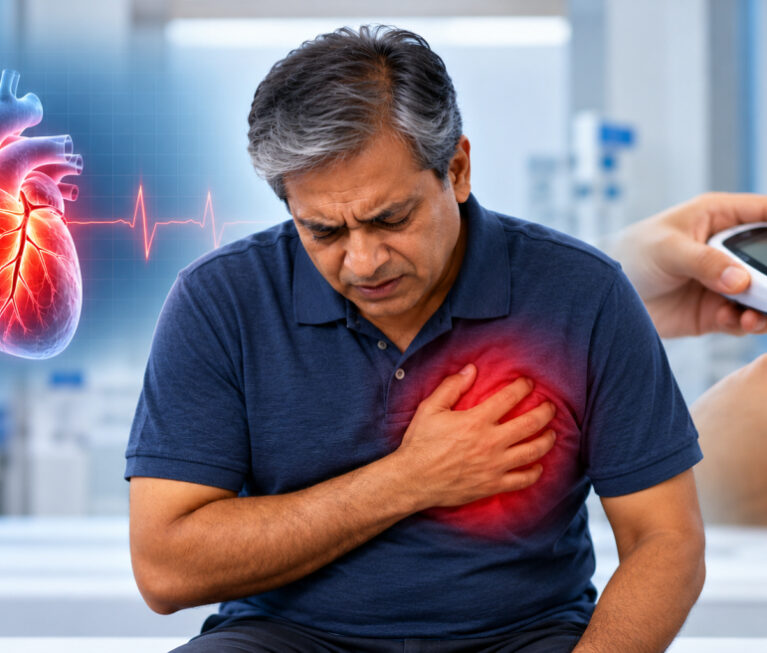
Heart palpitations occur when you become unusually aware of your heartbeat. You may notice your heart beating faster, pounding more strongly, fluttering or briefly feeling as though it has missed a beat.
These sensations can happen during physical activity, emotional stress or periods of rest. Some people experience them for a few seconds, while others notice episodes lasting longer.
Common triggers include:
- Stress, anxiety or intense emotions.
- Excessive caffeine consumption.
- Lack of sleep or dehydration.
- Strenuous physical activity.
- Certain medications or stimulant substances.
- Hormonal changes.
- Conditions such as anaemia or an overactive thyroid.
Palpitations do not always indicate a heart rhythm disorder. They can occur even when the heart’s electrical rhythm is normal. However, frequent, prolonged or unexplained episodes may require medical assessment to identify the underlying cause.
What Is Cardiac Arrhythmia?
A cardiac arrhythmia is a condition in which the heart beats too quickly, too slowly or irregularly because of changes in its electrical activity. The heart’s electrical signals coordinate contractions that help circulate blood throughout the body.
When these signals do not function normally, the heartbeat may become irregular or change in speed. Some arrhythmias are relatively harmless, while others can affect the heart’s ability to pump blood effectively and require treatment.
Common types include:
Atrial fibrillation: An irregular heart rhythm originating in the upper chambers of the heart. It can increase the risk of blood clots and stroke.
Tachycardia: A heart rate that is abnormally fast. It can occur for several reasons, and its significance depends on the type and circumstances.
Bradycardia: A slower-than-usual heart rate. It may be normal in some physically active individuals, but it can also occur because of a medical condition or medication.
Premature heartbeats: Extra beats that occur earlier than expected. They may feel like a skipped beat, a brief pause or a sudden thump in the chest.
Some people with arrhythmia experience noticeable symptoms, while others have no obvious warning signs. Medical testing may therefore be necessary even when symptoms are mild or intermittent.
Palpitations vs Arrhythmia: What Is the Difference?
The main difference is that palpitations describe a sensation, whereas arrhythmia is a disturbance in the heart’s rhythm.
A person may experience palpitations without having an arrhythmia. For example, stress, caffeine or intense exercise can make the heartbeat more noticeable even when the rhythm is normal.
Conversely, someone may have an arrhythmia without feeling any unusual heartbeat sensations. Certain rhythm disorders are detected only during an electrocardiogram (ECG) or another form of heart monitoring.
Palpitations can also be a symptom of arrhythmia. An episode of atrial fibrillation or another rhythm disorder may cause a fluttering, racing or irregular sensation in the chest.
Because the symptoms can overlap, it is not possible to determine the exact cause based on how the heartbeat feels alone. A medical assessment helps establish whether the sensation is related to a temporary trigger, an underlying health condition or an abnormal heart rhythm.
When Should You Worry About an Irregular Heartbeat?
Occasional palpitations without other symptoms are often not serious. However, certain signs should prompt medical attention.
Seek emergency medical care if palpitations occur with any of the following:
- Chest pain, pressure or tightness.
- Significant difficulty breathing.
- Fainting or feeling as though you may faint.
- Severe dizziness or sudden weakness.
- Collapse or a sudden change in consciousness.
These symptoms may indicate a serious heart or other medical emergency. Do not wait for the symptoms to disappear or attempt to drive yourself to hospital.
Arrange a medical evaluation if your palpitations keep returning, last longer than usual, become more frequent or occur without an obvious trigger. You should also seek assessment if you have a known heart condition or a family history of significant heart rhythm problems.
Importantly, the absence of chest pain does not rule out an arrhythmia. Some rhythm disorders produce mild symptoms or none at all.
How Are Palpitations and Arrhythmia Diagnosed?
Diagnosis begins with understanding your symptoms and medical history. A doctor may ask when the episodes started, how often they occur, how long they last and whether they are associated with exercise, stress, medication or other symptoms.
Depending on the findings, the following investigations may be recommended.
Electrocardiogram (ECG): This test records the electrical activity of the heart and can identify several types of rhythm abnormalities.
Holter monitoring: A portable device records heart rhythm continuously over a period, commonly 24 to 48 hours, or sometimes longer. It may help identify abnormalities that do not occur during a brief ECG.
Event monitoring: This records heart rhythm over a longer period when symptoms happen less frequently. The type and duration of monitoring depend on the suspected problem.
Echocardiogram: An ultrasound examination that evaluates the heart’s structure and pumping function. It may be recommended when an underlying structural problem is suspected.
Blood tests: These may help identify contributing conditions, including thyroid abnormalities, anaemia or electrolyte disturbances.
Not every patient needs every test. The doctor selects investigations according to the symptoms, examination findings and suspected cause.
Treatment Options for Palpitations and Arrhythmia
Treatment depends on what is causing the symptoms. If palpitations result from temporary triggers and no underlying condition is identified, medication or a procedure may not be necessary.
When appropriate, reducing excessive caffeine intake, getting adequate sleep, staying hydrated and managing stress may help reduce episodes. Medicines should not be stopped or changed without advice from a qualified healthcare professional.
If an arrhythmia is diagnosed, treatment may include medication to control heart rate or rhythm. Some patients may benefit from procedures such as electrical cardioversion or catheter ablation, depending on the specific rhythm disorder.
Certain serious rhythm problems may require an implanted device, such as a pacemaker or an implantable cardioverter-defibrillator (ICD).
For conditions such as atrial fibrillation, treatment may also include medication to reduce stroke risk. The choice of treatment depends on the patient’s overall health, the type of arrhythmia and the potential benefits and risks of each option.
How Can You Support Your Heart Rhythm Health?
Healthy daily habits can help support cardiovascular health, although they cannot prevent every type of arrhythmia.
- Maintain a balanced diet with vegetables, fruits, whole grains and appropriate sources of protein.
- Limit caffeine if it appears to trigger palpitations.
- Stay hydrated, particularly during hot weather or physical activity.
- Follow a regular sleep schedule.
- Exercise according to your fitness level and medical advice.
- Avoid smoking and recreational stimulant substances.
- Manage conditions such as high blood pressure, diabetes and thyroid disorders with appropriate medical care.
- Take prescribed medicines as directed and discuss possible side effects with your doctor.
Keeping a record of your symptoms can also be helpful. Note when episodes occur, how long they last, what you were doing and whether you experienced dizziness, breathlessness or chest discomfort. This information may help your doctor decide which investigations are appropriate.
Heart Rhythm Evaluation at NIMS Medicity
Recognising the difference between palpitations and arrhythmia is an important step towards understanding unusual heartbeat sensations. While some episodes are associated with temporary triggers, others may require investigation to identify a heart rhythm disorder or another underlying condition.
At NIMS Medicity, patients seeking guidance about heart-related symptoms can explore the hospital’s cardiology services and discuss their concerns with a qualified medical professional. Assessment may involve reviewing symptoms, evaluating cardiovascular risk factors and determining whether further investigations are needed.
If you are experiencing recurring palpitations or an unexplained irregular heartbeat, a medical evaluation can help clarify the possible cause and guide appropriate care. The right approach depends on individual symptoms, examination findings and diagnostic results.

 post by