
Breathing may become faster during activities such as walking uphill, climbing stairs or exercising. This is a normal response to increased physical effort. However, experiencing unusual breathlessness during routine activities or finding it difficult to breathe after minimal exertion may indicate an underlying health problem.
Medically known as exertional dyspnea, this condition refers to shortness of breath that develops or worsens during physical activity. It can be associated with conditions affecting the heart, lungs or blood circulation. Identifying the possible cause is important for receiving appropriate medical care.
What Is Exertional Breathlessness?
Exertional breathlessness occurs when a person feels unable to breathe comfortably while performing physical activities. The sensation may range from mild difficulty breathing to significant discomfort that forces someone to stop and rest.
Some people notice it while climbing stairs, walking quickly or carrying heavy objects. Others may experience it during simple activities such as getting dressed or walking short distances.
The level of physical effort that causes breathlessness can provide useful information about a person’s health. A noticeable change in breathing capacity, particularly when it develops without an obvious reason, should be medically evaluated.
Common Causes of Exertional Breathlessness
Several medical conditions and lifestyle factors can contribute to breathing difficulties during physical activity. The cause may involve the respiratory system, cardiovascular system or other aspects of general health.
1. Heart-Related Conditions
The heart pumps oxygen-rich blood throughout the body. When its ability to pump blood effectively is affected, the body may struggle to meet its increased oxygen requirements during physical activity.
Conditions such as heart failure, coronary artery disease and certain heart valve disorders can cause exertional breathlessness.
In heart failure, the heart may not pump blood efficiently enough to meet the body’s needs. This can cause fluid to accumulate in or around the lungs, making breathing more difficult, particularly during activity or when lying down.
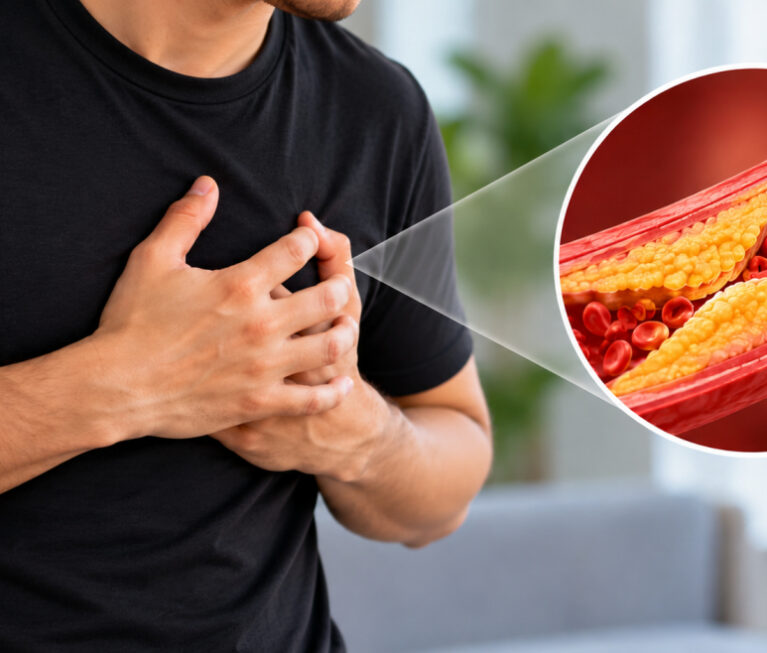
Coronary artery disease can also contribute to breathlessness when reduced blood flow affects the heart muscle. In some cases, shortness of breath may occur alongside chest discomfort, sweating or unusual fatigue.
2. Asthma
Asthma affects the breathing passages by causing inflammation and tightening of the airway muscles, which can restrict airflow and make breathing difficult.
People with asthma may experience breathlessness, wheezing, coughing or chest tightness during physical activity. Exercise, cold air, dust and other environmental triggers can sometimes bring on symptoms.
Symptoms may differ from person to person in both intensity and how often they occur. A proper medical evaluation can help identify the cause and guide suitable treatment.
3. Chronic Obstructive Pulmonary Disease (COPD)
COPD is a group of lung conditions that cause persistent airflow obstruction. It commonly includes emphysema and chronic bronchitis.
People with COPD may experience breathlessness during activities that were previously manageable. Walking, climbing stairs and performing household tasks can become difficult as the condition progresses.
A persistent cough, excess mucus production, wheezing and frequent respiratory infections may also occur. Smoking is a major risk factor, although long-term exposure to air pollution and occupational irritants can contribute as well.
4. Anaemia
Anaemia occurs when the blood has insufficient healthy red blood cells or haemoglobin to carry oxygen effectively throughout the body.
During exercise, limited oxygen supply can place extra strain on the heart and lungs. This may cause symptoms such as shortness of breath, low energy, physical weakness and lightheadedness.
Iron deficiency is a common cause of anaemia. Other factors, including vitamin deficiencies, chronic diseases and blood loss, may also contribute.
5. Interstitial Lung Disease
Interstitial lung diseases affect the tissue surrounding the air sacs in the lungs. Some forms can cause inflammation and scarring, making it harder for the lungs to expand and transfer oxygen into the bloodstream.
Breathlessness during physical activity is often an early symptom. A persistent dry cough and reduced exercise tolerance may also develop.
As the underlying condition develops, symptoms may become more pronounced over time.
6. Obesity and Reduced Physical Fitness
Excess body weight can increase the effort required for activities such as walking, climbing stairs and exercising. This may contribute to breathlessness, particularly when physical activity is limited.
People who have been inactive for an extended period may also experience shortness of breath when returning to exercise. Reduced cardiovascular fitness can make ordinary physical tasks feel more demanding.
Although weight and fitness levels can influence breathing during activity, persistent or unexplained breathlessness should not automatically be attributed to them. Medical conditions may also be responsible.
Symptoms That May Accompany Exertional Breathlessness
The symptoms experienced alongside breathlessness can vary depending on its underlying cause. Some people notice breathing difficulty alone, while others develop additional signs.
Common accompanying symptoms include:
- Chest discomfort: Pressure, tightness or pain in the chest may occur with certain heart or lung conditions.
- Wheezing: A whistling sound during breathing can be associated with narrowed airways, particularly in asthma.
- Persistent cough: An ongoing cough may indicate an underlying respiratory condition.
- Unusual fatigue: Reduced oxygen delivery or impaired heart and lung function can contribute to tiredness during everyday activities.
- Dizziness: Feeling lightheaded during physical exertion may occur with certain heart, blood or circulation-related conditions.
- Swelling in the legs or ankles: This can sometimes accompany heart failure or other conditions affecting fluid balance.
The presence of these symptoms does not establish a specific diagnosis. A medical assessment is needed to identify the cause.
When Should You Seek Medical Attention?
Breathlessness that develops repeatedly during routine activities, becomes progressively worse or occurs with minimal exertion should be evaluated by a doctor.
Seek medical advice if you notice:
- A recent decline in your ability to walk or climb stairs without becoming breathless.
- Shortness of breath that occurs during activities you previously performed comfortably.
- Breathing difficulty accompanied by persistent coughing or wheezing.
- Breathlessness associated with unusual tiredness, dizziness or swelling in the legs.
- Difficulty breathing that continues even after stopping physical activity.
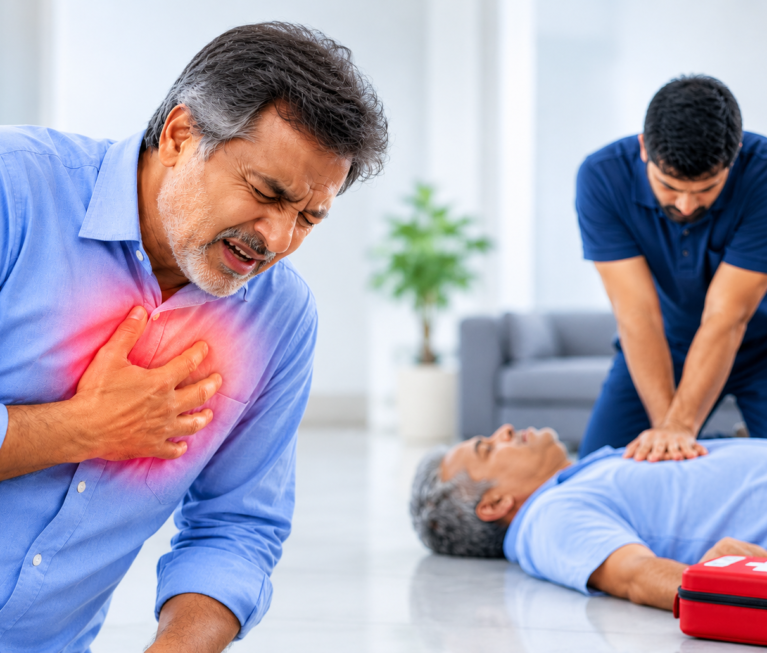
Seek emergency medical attention immediately if breathlessness develops suddenly or becomes severe, particularly when accompanied by chest pain, fainting, confusion, bluish lips or severe weakness. These symptoms may indicate a serious medical emergency. In India, call 112 for emergency assistance.
Do not wait for severe symptoms to settle on their own.
How Is Exertional Breathlessness Diagnosed?
Doctors assess the patient’s symptoms, medical history and physical condition to understand why breathing becomes difficult during activity. They may ask when the problem started, which activities trigger it and whether other symptoms are present.
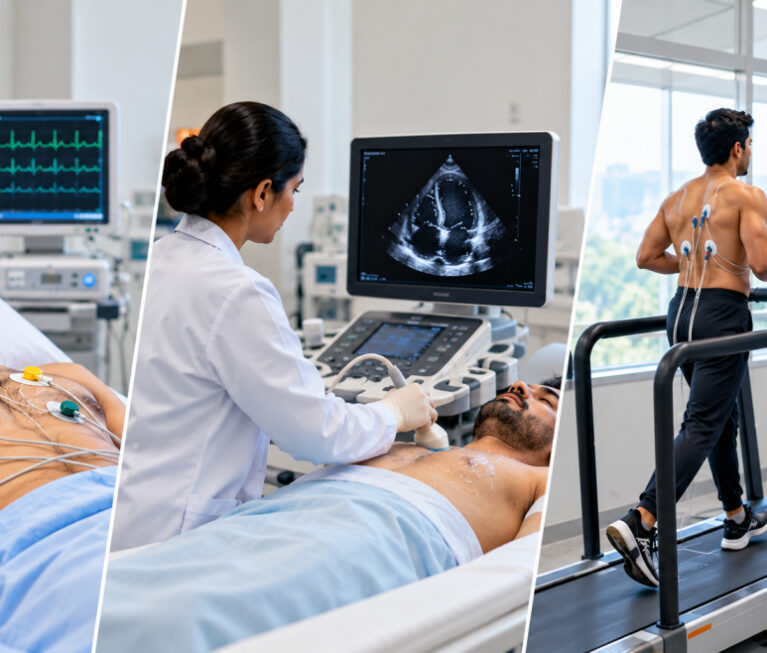
Depending on the initial findings, the following investigations may be recommended:
Pulse oximetry: A small device placed on the finger estimates the oxygen saturation level in the blood.
Electrocardiogram (ECG): This test records the electrical activity of the heart and helps identify certain rhythm abnormalities and signs of cardiac problems.
Chest X-ray: Imaging helps doctors examine the lungs, heart size and surrounding structures for possible abnormalities.
Echocardiogram: This ultrasound examination provides information about the heart’s structure, pumping function and valve movement.
Pulmonary function tests: These tests measure how well the lungs move air and transfer oxygen. Spirometry is commonly used to assess airflow obstruction.
Blood tests: Investigations such as a complete blood count can help identify anaemia and other possible causes of breathlessness.
Additional investigations, including exercise testing or CT imaging, may be recommended depending on the suspected condition. Not every patient requires all these tests.
Can Exertional Breathlessness Be Prevented?
Preventive measures depend on the underlying cause. Managing existing medical conditions and maintaining general physical health can help reduce the likelihood of breathing difficulties during activity.
Some useful steps include:
- Maintain a suitable level of physical activity based on your health and fitness.
- Avoid smoking and exposure to tobacco smoke.
- Follow prescribed treatment for asthma, heart disease and other chronic conditions.
- Maintain a healthy weight through appropriate dietary habits and regular exercise.
- Attend routine health assessments, especially if you have existing heart or lung conditions.
- Reduce exposure to dust, air pollution and other respiratory irritants where possible.
People with persistent breathlessness should seek medical advice before starting a new exercise routine. Treatment should focus on the underlying cause rather than simply trying to improve exercise tolerance.
Respiratory and Cardiac Care at NIMS Medicity
Exertional breathlessness can arise from several conditions involving the heart, lungs or blood circulation. Identifying the cause through appropriate medical assessment helps doctors plan suitable treatment.
NIMS Medicity in Thiruvananthapuram provides multispeciality healthcare services, including cardiology and respiratory care. Patients experiencing persistent breathing difficulties can consult the relevant specialists for clinical evaluation and further investigation.
If you notice unusual breathlessness during everyday activities, consult a qualified doctor rather than ignoring the symptoms. Sudden or severe breathing difficulty requires immediate emergency medical attention.
 post by